Cercospora Leaf Spot in Sugarbeets: What Every Grower Needs To Know
Cercospora leaf spot (CLS), caused by the fungal pathogen Cercospora beticola, remains one of the most economically damaging diseases affecting sugarbeet production across North America. Under favorable conditions, the disease can spread rapidly through a field, causing significant leaf loss, reduced sugar content, and substantial yield reductions.
Understanding how CLS develops and implementing an integrated management strategy are critical for protecting both root tonnage and sugar quality.
Recognizing Cercospora Leaf Spot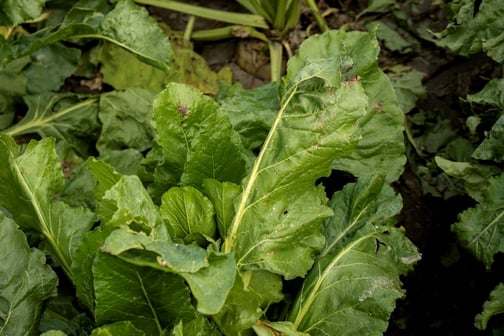
CLS typically begins as small, circular lesions on sugarbeet leaves. Early symptoms appear as light brown to gray spots surrounded by a reddish-purple border. As the disease progresses, lesions can enlarge and merge together, resulting in extensive leaf damage and eventual defoliation.
The pathogen produces spores that are easily spread by wind, rain splash, irrigation water, equipment movement, and field activity. Warm temperatures combined with high humidity and extended periods of leaf wetness create ideal conditions for disease development, allowing infections to build quickly throughout the growing season.
The Impact on Sugarbeet Production
The effects of CLS extend well beyond visible leaf damage.
As infected leaves lose their ability to photosynthesize efficiently, plants must divert energy toward producing new foliage rather than storing sugar in the root. This continual cycle of leaf loss and regrowth can lead to:
- Reduced root yield
- Lower sucrose concentration
- Increased impurities that can affect processing efficiency
- Greater harvest losses due to weakened plant health
Additionally, infected crop residue can serve as a source of inoculum for future infections, increasing disease pressure in subsequent years if not properly managed.
Integrated Management Strategies
Successful CLS management requires a combination of genetic, cultural, and chemical control measures.
1. Plant Resistant Varieties
Selecting sugarbeet varieties with strong tolerance or resistance to CLS is one of the most effective long-term management tools available. Advances in breeding programs have produced varieties that can help reduce disease severity and maintain productivity under moderate disease pressure.
During periods of high disease pressure, such as those in 2025, resistant traits are more effective when paired with a more proactive fungicide program.
2. Practice Crop Rotation
Crop rotation helps reduce the survival of CLS in field residue. Rotating sugarbeets with non-host crops such as cereals or legumes can lower inoculum levels and help break the disease cycle.
3. Optimize Field Management
Maintaining healthy, vigorous crops can improve a plant's ability to tolerate disease pressure. Key cultural practices include:
- Balanced fertility programs
- Effective weed management
- Irrigation scheduling
- Residue management
4. Implement a Proactive Fungicide Program
Fungicides remain an essential tool for managing CLS, particularly during periods of high disease pressure.
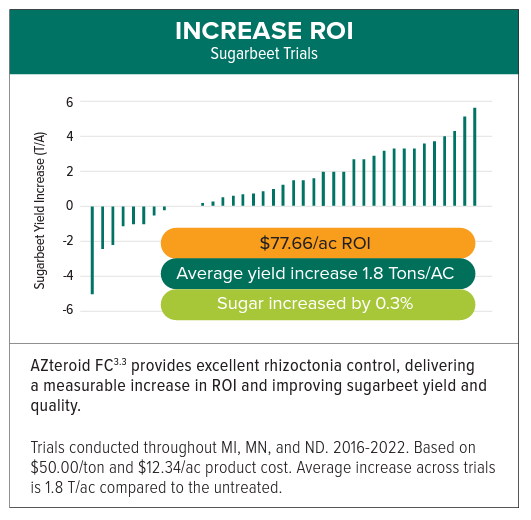
Phobos® FC fungicide has demonstrated strong performance against CLS in sugarbeets. Powered by Vive's patented Allosperse® delivery technology, Phobos® FC delivers enhanced leaf coverage and disease control while offering excellent tank-mix flexibility.
For the most effective control of CLS, a proactive, season-long strategy with Phobos® FC is essential:
- Start clean by applying Phobos FC as part of the first or second foliar fungicide spray of the season.
- Stay clean through harvest with a second application during the final one to two spray intervals.
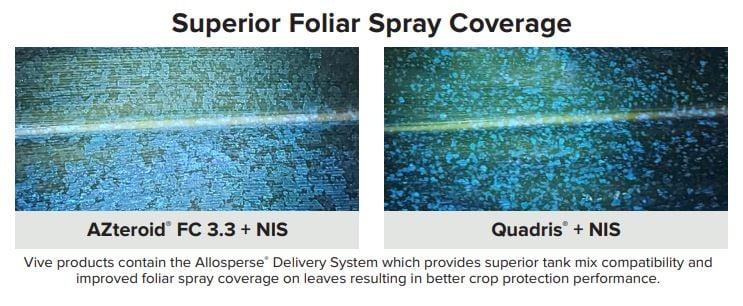
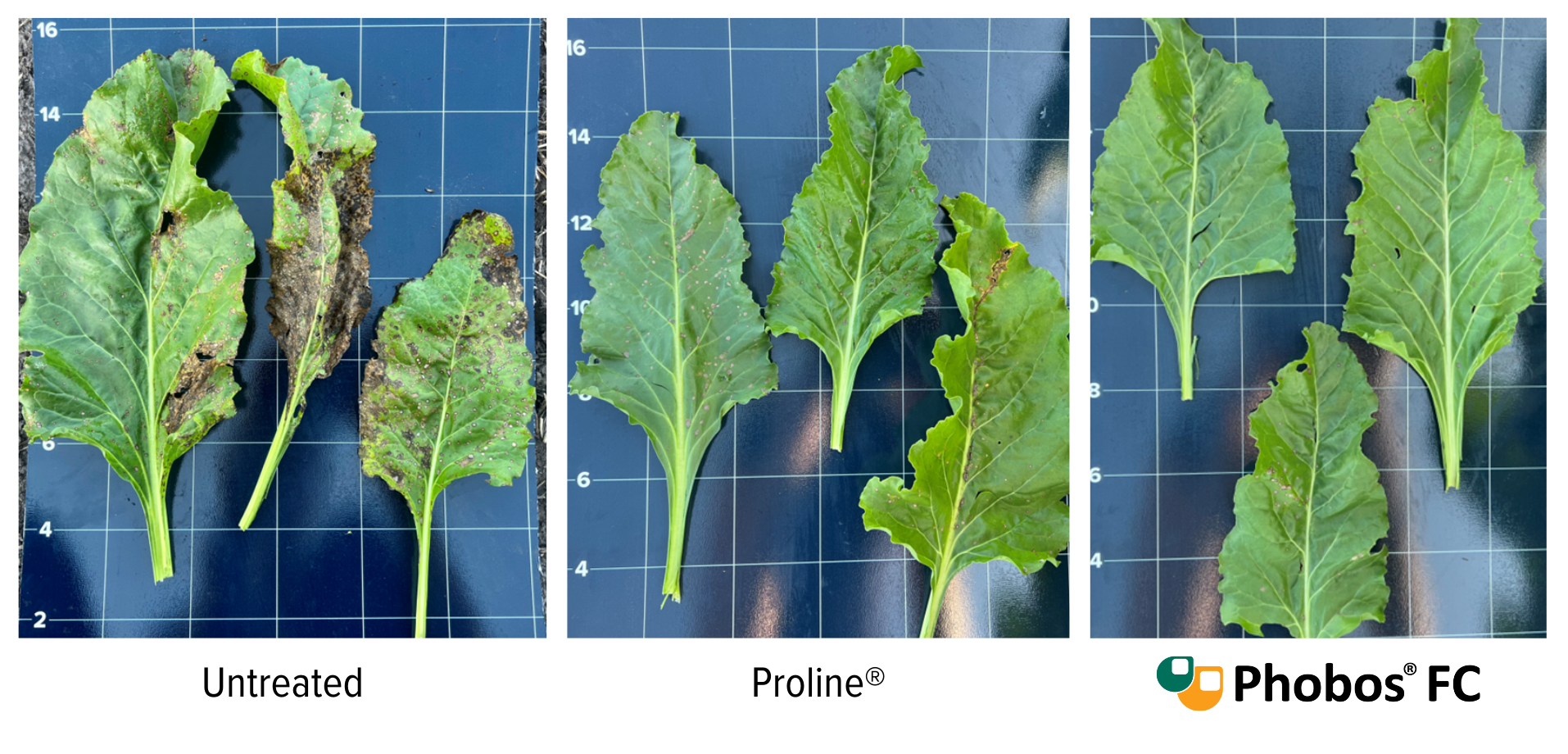
While other products like Proline® tend to ridge and clump together on the leaf surface, creating a “coffee ring” effect, Phobos FC delivers widespread, uniform leaf coverage and dries stronger for decreased rain wash off. Growers can have the peace of mind that their foliar protection is staying where it needs to be to deliver strong sugar yields at harvest.
.png?width=686&height=477&name=Untitled%20design%20(44).png)
Conclusion
In 2026, Cercospora leaf spot remains one of the most challenging diseases facing sugarbeet growers. However, with an integrated management approach including a proactive fungicide program, growers can effectively manage disease pressure and protect both yield and sugar quality.
With Phobos FC fungicide, growers can start clean at emergence and stay clean through harvest, finishing the season with the highest quality sugarbeets possible and maximizing ROI on every acre.
Bring Phobos FC to your fields: https://www.vivecrop.com/products/phobos-fc
Proline® is a registered trademark of Bayer CropScience.